
Methyl Donors, Homocysteine, and Atrial Fibrillation: Is There a Role for TMG?
………….This raises an obvious question: could methyl donors such as trimethylglycine (TMG, also known as betaine) have a therapeutic role in AF?…………..
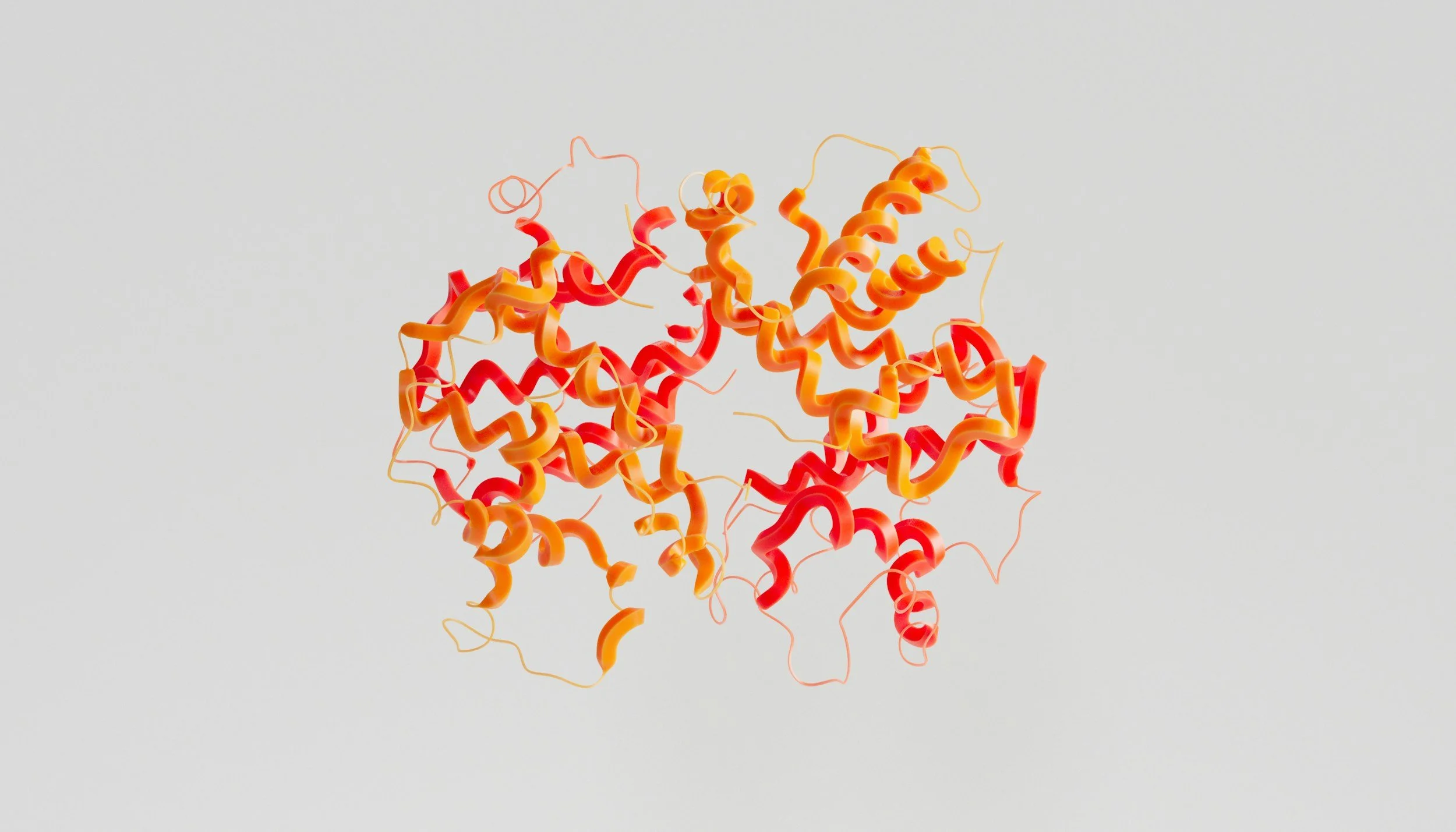
FDA Moves to Ease Restrictions on Unapproved Therapeutic Peptides
There is also growing clinical and research interest in approaches that engage the body's own metabolic and satiety signaling rather than replacing it. This includes dietary structure and timing strategies that influence nutrient signaling, gut receptor activation through prebiotic and fiber composition of meals, and—in some clinical contexts—peptide therapies that may support tissue repair, modulate inflammation, or complement metabolic signaling pathways that GLP-1 agonism does not directly address.

Healthcare or Disease Care?
Disease care and healthcare are not the same thing. Disease care is inherently reactive. It begins when pathology is present, and its goal is management, stabilisation, or delay of decline. It is also, undeniably, highly profitable.

Stepping away from Medicine — and towards Health
it became increasingly clear to me that the modern healthcare system is structurally designed to respond to disease once it has declared itself, rather than to cultivate health before it is lost. This is not the result of individual failure or poor intent. It is the consequence of how incentives, evidence hierarchies, regulatory frameworks, and industrial interests have aligned over decades
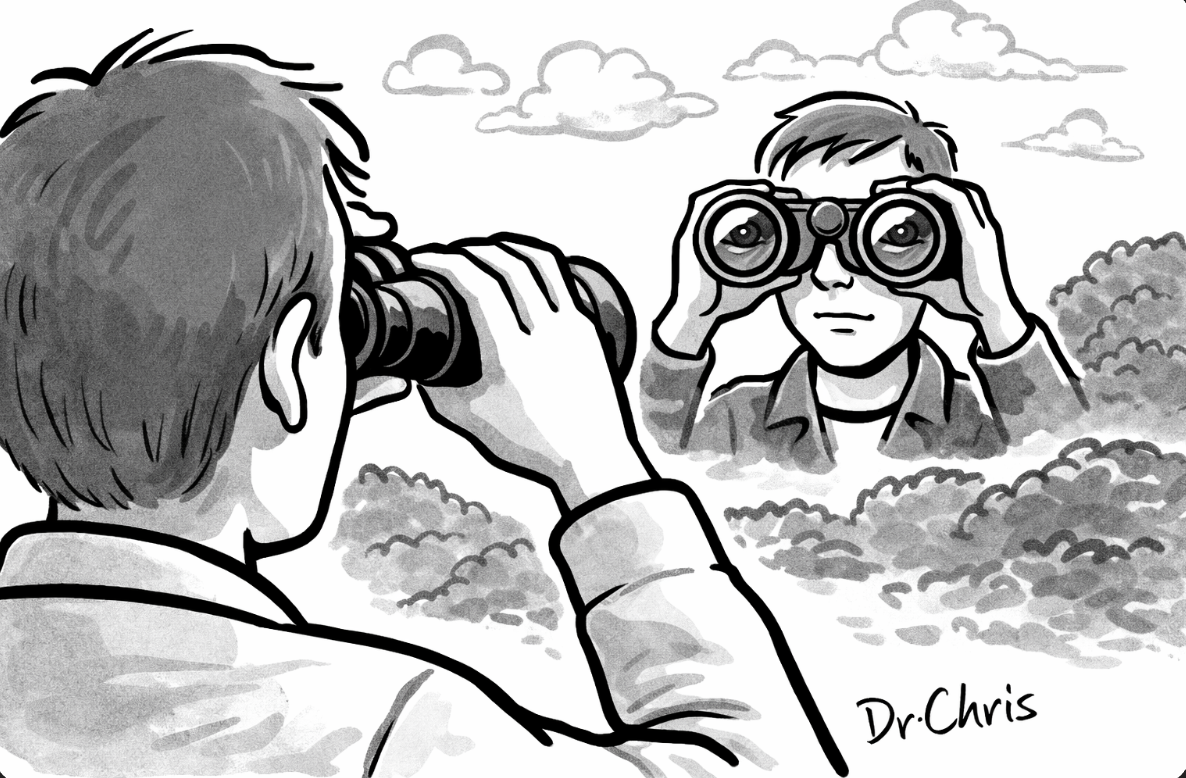
Is Fame a disease? Attention, Awareness, and the Pathology of Being the ‘Object’
I propose a pathological state: ‘Famosis’ — a chronic condition characterised by a sustained sense of being the object of others’ attention. When onset is sudden — through rapid visibility, status elevation, or viral internet exposure — the acute form may just as easily be termed ‘Famitis’.

Risk is proportionate and relative.
While adopting new technologies carries risk, so too does uncritical adherence to existing dogma. A sober reassessment of current paradigms is essential if we are to frame risk honestly.

The World STILL needs safe and effective treatments…
Healthcare should prioritise prevention first. When illness does occur, it should aim to cure and restore people to a well state. Only when these options are no longer viable should we accept the long-term management of chronic disease, and finally, palliation and end-of-life care. This is the logical and humane order in which therapies should be prioritised.

2026 — A Turning Point for Healthcare
I hope 2026 becomes a year of genuine advancement—of freedom to explore alternatives to the twentieth-century health system, and of prudent, evidence-informed innovation. The question is not whether the current model will change, but what will replace it. Will the next era be better, more human, more focused on causes rather than symptoms?

The Risk–Benefit Equation of Modern Clinical Practice
'… can now find greater meaning in advocacy, policy, innovation, or education where they can address root causes rather than symptoms - not of disease but of dysfunction within the healthcare system itself.

Pharmacist Prescribing: A Symptom and a Problem
The conversation about pharmacist prescribing is devoid of nuance - at least in the media - which is rarely able to convey the complexities or context appropriately nowadays. Our society faces real problems, of magnitude, but they will not be resolved by bulk billing or pharmacy prescribing.

How to Manage the Intrusion of Business into Health
When business leaders recognise that the clinician’s moral framework is not a liability but an asset — one that keeps the enterprise credible, humane, and trusted — true partnership becomes possible.

Position Yourself for the Future of Medicine
For decades, we have invested trillions into a system designed to manage disease rather than promote health. The result is clear—record levels of diabetes, obesity, cancer, and neurodegenerative conditions, despite unprecedented spending and technological advancement. The return on investment has been poor: longer lives perhaps, but not healthier ones.

Healthcare System Version 999.0
Version 1000.0 must be the version where we finally grow up as a system — where we replace defensiveness with curiosity, hierarchy with humility, and conformity with courage. That begins with respect: for peers who challenge orthodoxy,

Cooperation in Emerging Medicine
destructive hyper-competition only erodes credibility and fragments effort. We must remember that we are on the same vessel, navigating the same uncertain waters.

Can Pragma defeat Dogma?
what emerged was sobering: a system designed to elevate quality instead producing poor outcomes, inefficient resource distribution, and serving as the justification to suppress alternative and innovative technologies

What Could a 21st Century Healthcare System Look Like?
Would such a system treat science as an open search for outcomes that improve lives, or would the adoption of therapies remain tied to the financial viability of interventions rather than their clinical impact? Would barriers to implementation be regulatory safeguards in the true sense, or obstacles erected to preserve entrenched profit structures?

Have We Overlooked a Third Kind of Nutritional Starvation?
The modern diet is not just nutritionally imbalanced - it is informationally silent.

‘til silence do we part
Cells communicate in many ways—electrical, chemical, mechanical—but one of the most powerful, the most elegant, is through peptides. Peptides hold a unique position in this conversation of life. They are the whispers and the shouts, the handshakes and the signals, coordinating an orchestra that makes us who we are.

The Highway Cop Phenomenon: Dangerous
Practitioners are forced into the grey and persecuted at will. This mirrors the analogy of a highway officer who stops one driver for a minor infraction while allowing others to pass unchallenged – ostensibly due to non-risk related characteristics of the driver in question - race. In healthcare, the implications are equally serious.

Rethinking Investment in Early-Onset Dementia: Preventive and Accountable Strategies
It is time to recognize that different types of interventions require different levels of evidence. Administering a synthetic enzymatic toxin—something never before present in human environments—may indeed require multiple randomized controlled trials and meta-analyses before widespread adoption. By contrast, restoring a physiologic nutrient deficiency does not fall into the same category of risk and should not be held to the same evidentiary threshold.